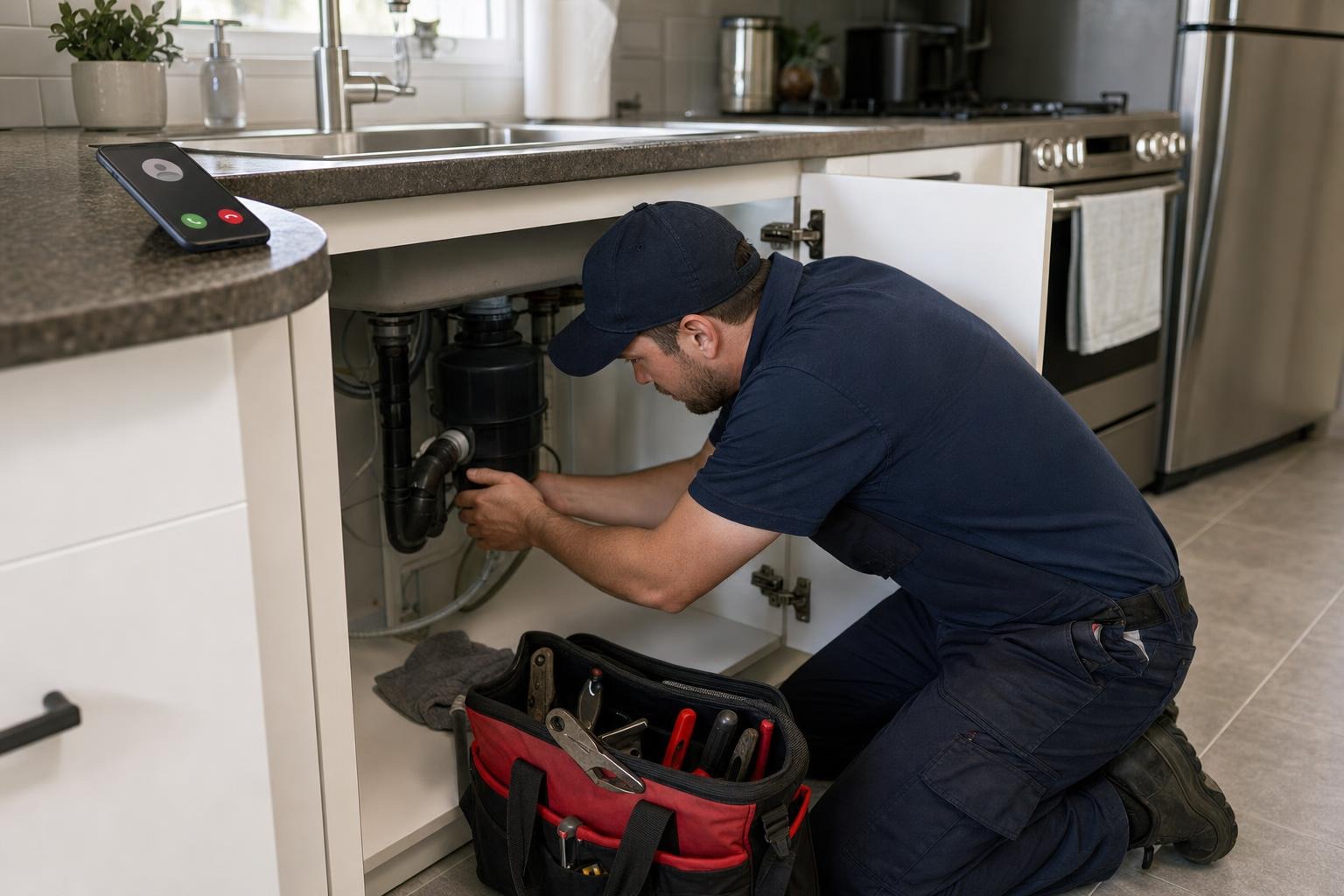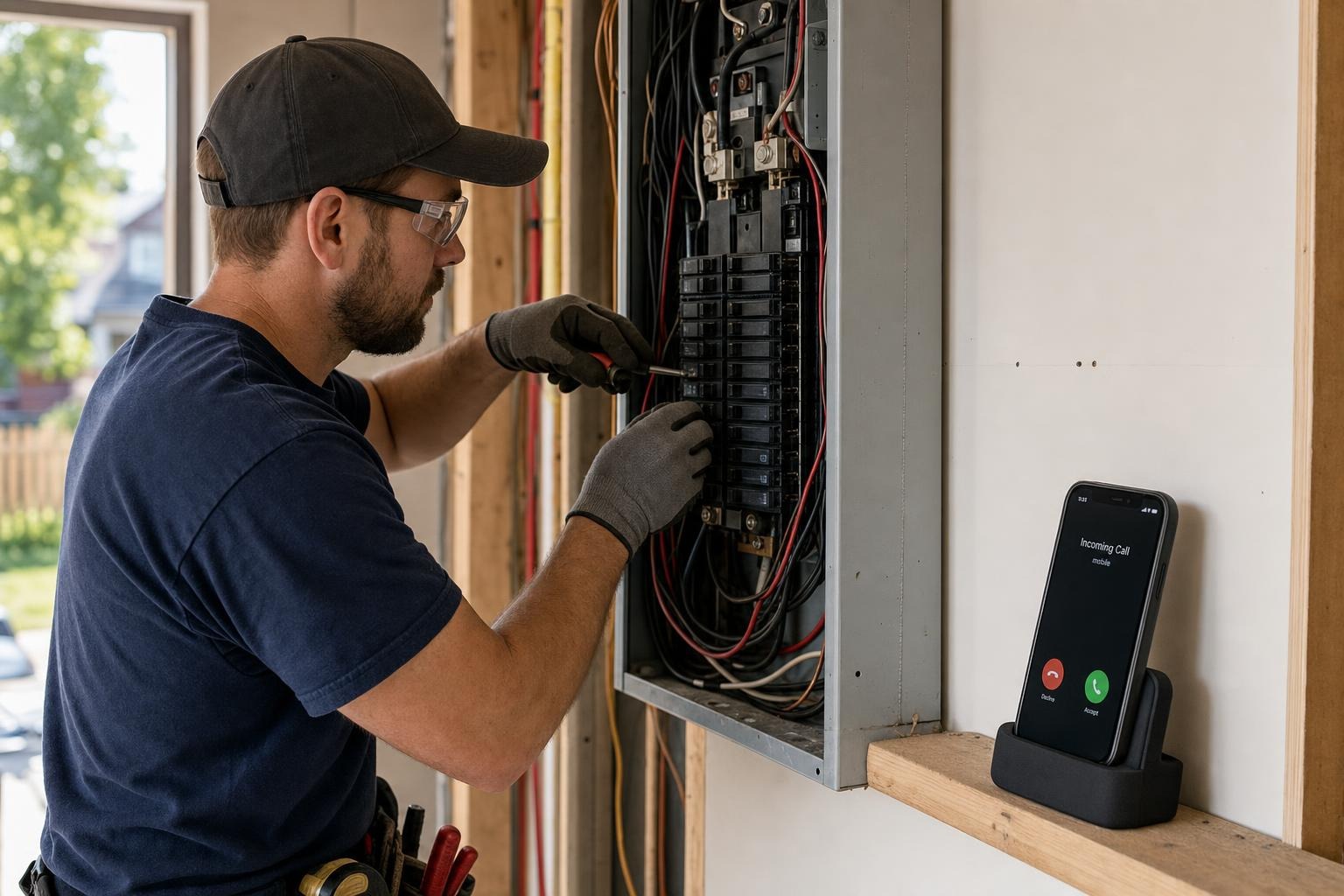
A customer who called yesterday may still need a plumber, electrician, HVAC technician or roofer today. The practical answer is to review recent missed calls, return the strongest opportunities first and give each caller a clear next step. Start with enquiries from the last seven days, then work backwards only when the job may still be relevant.
This does not require a complicated sales system. A sole proprietor can complete the first recovery sweep using a phone log, voicemail, text history and calendar. The harder part is making the process consistent while working under a sink in Westdale, climbing down from a roof in Ancaster or driving between Stoney Creek and Waterdown.
The immediate goal is not to pressure every old contact. It is to find people who still need help, establish whether the job fits and book a definite time when appropriate. The longer-term goal is to prevent new enquiries from sitting unanswered.
Key takeaways
- Review the last seven days of missed calls before spending time on much older enquiries.
- Prioritize callers who left job details, called more than once or followed up by text.
- Use a short callback script that identifies the business, acknowledges the missed call and asks whether help is still needed.
- Give viable customers a specific booking option instead of ending with “call me back.”
- If work regularly prevents you from answering, compare scheduled callbacks with continuous call coverage.
Why promising enquiries get lost
Most missed enquiries are operational failures, not deliberate neglect. Your hands are occupied, equipment is running, a customer is speaking to you or it is unsafe to reach for the phone. By the time you check the call, another urgent task has taken its place.
The caller experiences something simpler: no one answered. Someone dealing with a leaking pipe, failed furnace or electrical fault may continue down the search results until a business responds. A less urgent customer might leave a voicemail and wait, but there is no guarantee they will call twice.
Recovery gets harder when the only record is an unfamiliar number. Without a voicemail or text, you do not know whether it was a nearby homeowner, a supplier or an unrelated call. That uncertainty causes tradespeople to postpone callbacks, especially after a full day on site.
The solution is to separate identification from selling. Your first task is to confirm who called and whether the need remains active. Only then should you discuss the job, service area and possible appointment.
Run a one-hour lead recovery sweep

Set aside one uninterrupted hour near the end of the day or before the next morning’s first job. Work through the following steps in order.
1. Build a clean list
Check missed calls, unheard voicemail, unanswered texts and website enquiries from the last seven days. Record the phone number, date, time, name if available and any job details the person provided. A simple note or spreadsheet is enough; do not delay the work while searching for a perfect system.
Remove obvious spam, duplicate entries and calls you already resolved. Keep repeat calls together so you can see the full history.
2. Sort by useful signals
Put the most actionable enquiries first:
- A caller who described the work and gave an address or neighbourhood.
- Someone who called more than once or also sent a text.
- A recent local call received during working hours.
- An older voicemail for work that may not have been urgent.
- An unidentified number with no message.
This is a practical order, not a judgment about the value of a customer. It simply directs limited time toward people who gave you enough information to respond usefully.
3. Make the first callback
Call from the business number the person originally contacted when possible. State your name and trade immediately. Acknowledge that you are returning a missed call, then ask whether the person still needs assistance.
If there is no answer, leave a concise voicemail. One additional text may be appropriate when the person contacted you about a job, but avoid placing old numbers into a general marketing campaign. Canada’s anti-spam guidance from the CRTC explains the consent, identification and unsubscribe requirements that can apply to commercial electronic messages.
4. Close the loop
Mark each enquiry as booked, awaiting customer response, outside your scope, no longer needed or unreachable. A clear status prevents the same number from being reconsidered every evening.
For an unreachable caller, choose a reasonable final follow-up based on the original message and then stop. Repeated contact can damage trust and consume time better spent on active work.
Build a same-day callback routine
A recovery sweep clears the backlog; a daily routine keeps it from returning. Choose two or three callback windows that fit the way you actually work. For example, review calls before leaving the first site, during lunch while parked and after tools are packed for the day.
Avoid promising an instant personal response if the job makes that impossible. A dependable same-day window is more useful than an ambitious target you regularly miss. Put the callback periods in your calendar as operational work, just like collecting materials or preparing estimates.
When driving, working at height or handling live equipment, wait until you are safely stopped. The objective is better responsiveness, not answering at any cost.
Your voicemail should also set a realistic expectation. Ask the caller to leave a name, address or neighbourhood, the type of work and whether the situation is urgent. Do not ask people to leave sensitive payment information or unnecessary personal details.
At the end of each callback window, update the status of every attempted contact. That small step is what turns a call log into a usable workflow.
Use a script that moves the call forward
A useful callback sounds direct rather than polished. For example:
Hi, this is Sam from a Hamilton plumbing company. I’m returning your call from this morning. Are you still looking for help with the leak you mentioned?
If the answer is yes, gather only the information needed to decide on the next step:
- What is happening now?
- Where is the property?
- Is the issue active, intermittent or contained?
- Is there a safe way to limit further damage while the appointment is arranged?
- What times can the customer provide access?
Stay within your professional scope, particularly when discussing safety. A callback is not a substitute for an on-site assessment.
When the work appears suitable, offer a concrete appointment or arrival window. “I can come Thursday between 1 and 3 p.m.; does that work?” is easier to act on than “I should have time later this week.” Confirm the address and the best number for updates.
If the job falls outside your trade, service area or availability, say so promptly. Do not keep an unsuitable caller waiting in case the schedule changes. A clear answer protects both parties’ time.
For voicemail, shorten the script:
Hi, this is Sam returning your call about the electrical work. If you still need assistance, please call or text this number with the property neighbourhood and a good time to reach you.
Do not claim to remember details that were not in the original message. Specificity builds trust only when it is accurate.
Stop creating tomorrow’s recovery list
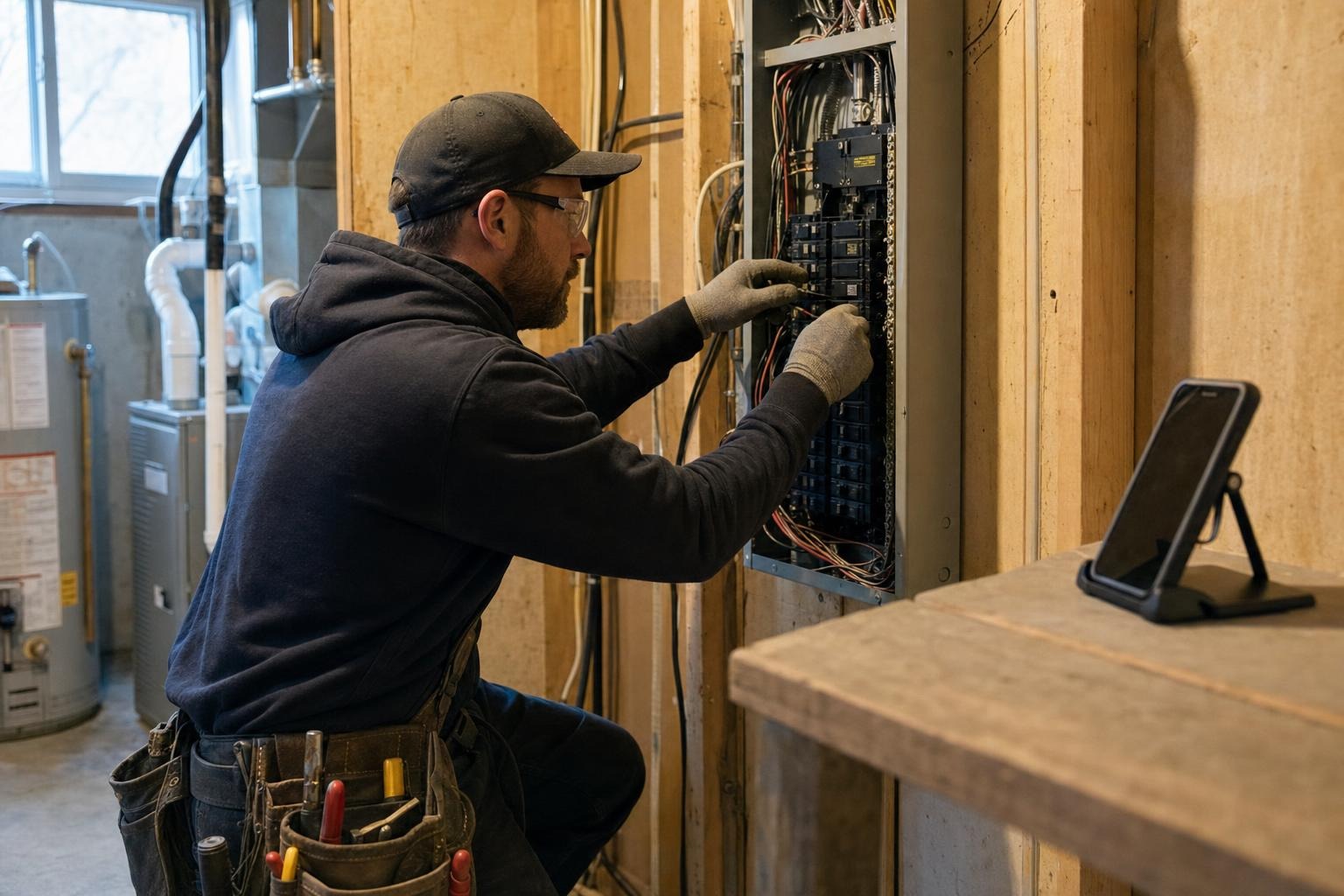
Callbacks can recover some opportunities, but they cannot fix the period when a caller is waiting without an answer. Prevention starts by identifying exactly when calls are being missed.
For one working week, note whether each unanswered call arrived while you were on a job, driving, speaking with another customer or off duty. Patterns usually matter more than the total. If calls cluster while you are on site, another personal reminder will not solve the underlying problem: you are unavailable at the moment customers call.
Next, define the information a call-handling process must collect. For a Hamilton trade business, that may include the caller’s name, phone number, service address, broad job type and preferred appointment time. Keep the questions limited to what is needed to respond and schedule responsibly.
Write down service boundaries as well. If you cover Westdale and Ancaster but cannot routinely reach Waterdown, the process should not create appointments you cannot honour. The same principle applies to job types, operating hours and days off.
Finally, decide who or what can answer when you cannot. The standard should be practical: a caller receives a prompt response, the job can be booked when appropriate and you get the address needed for the visit.
Choose the right coverage model
There are three realistic models for a sole proprietor.
Personal callbacks
This costs no additional monthly fee and keeps every conversation with the owner. It can work when call volume is low and the schedule contains reliable breaks. Its weakness is unchanged availability: customers still reach voicemail while you are occupied, and the entire system depends on you remembering to follow up.
Human call coverage
A staff member or external answering service can provide a personal conversation. The trade-off is staffing cost, training and the need to maintain accurate booking instructions. Coverage may also be limited to selected hours, depending on the arrangement.
An AI secretary for trade calls
This model is designed for situations in which the phone rings while the owner is working. The volttus.ca service is built in Hamilton for Hamilton plumbers, electricians, HVAC contractors and roofers. According to its reviewed service information, it answers in under two seconds, books the job and texts the address to the tradesperson. It handles unlimited calls from $79 per month for the Founding 50, and its live phone demonstration is free without signup.
The fit depends on the problem you are solving. If nearly every call already gets a personal answer, additional coverage may not be necessary. If calls are routinely missed because the work requires both hands, answering and booking at the time of the enquiry addresses the cause rather than expanding the callback list.
Whatever model you choose, keep booking rules current. Availability, service areas and job boundaries must reflect what the business can actually deliver.
Track a few useful signals
You do not need an elaborate dashboard. Review four numbers or counts each week:
- Unanswered calls received.
- Missed callers successfully reached.
- Recovered enquiries that became booked jobs.
- New enquiries answered and booked without a callback.
Also note why viable work was not booked. Common categories include timing, location, job scope and no remaining customer need. These reasons show whether the main problem is phone coverage, capacity or service fit.
Do not treat every incoming call as a lead or every unbooked enquiry as a failure. Suppliers, spam, wrong numbers and out-of-scope requests belong in separate categories. Useful measurement reflects real opportunities rather than inflating the total.
Frequently asked questions
How far back should I review missed calls?
Start with the previous seven days because recent callers are easier to identify and more likely to remember the enquiry. After completing that list, review older voicemail when the requested work may still be relevant. An old request for planned roofing work may remain open longer than an urgent no-heat call.
Should I text every missed number?
No. Prioritize people who left a message, requested contact or clearly enquired about work. Use the information only for the purpose for which it was provided, and do not automatically add callers to promotional messaging. Review applicable Canadian consent and privacy obligations if you plan broader electronic follow-up.
How many times should I follow up?
Use restraint. A callback, a concise voicemail and an appropriate follow-up text may be enough for a recent, identifiable enquiry. The original message, urgency and customer preference should guide the decision. Stop when the person declines, asks not to be contacted or remains unresponsive after a reasonable final attempt.
What information should I collect before booking?
Collect the customer’s name, contact number, service address, general job type, relevant urgency and access availability. Ask only for information needed to assess fit and arrange the next step. Detailed diagnosis and firm conclusions may need to wait for the site visit.
Is voicemail enough for a one-person trade business?
It can be enough when call volume is low and callbacks happen reliably. It is less effective when customers need an immediate answer or the owner cannot return calls until hours later. If the same work conditions repeatedly prevent you from answering, continuous coverage may be more dependable than voicemail alone.